




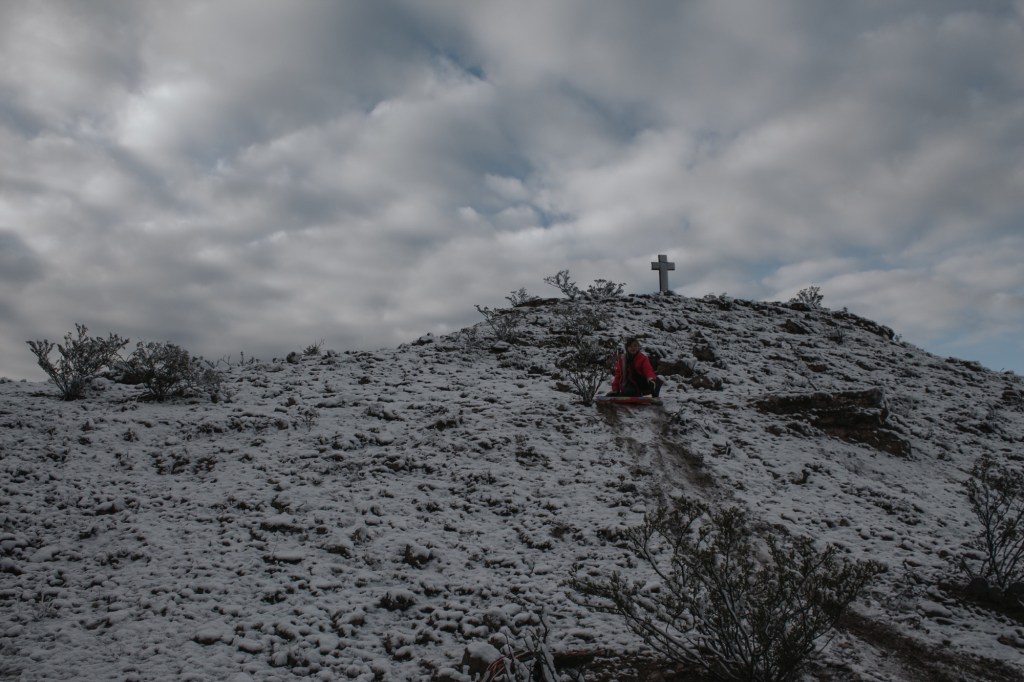
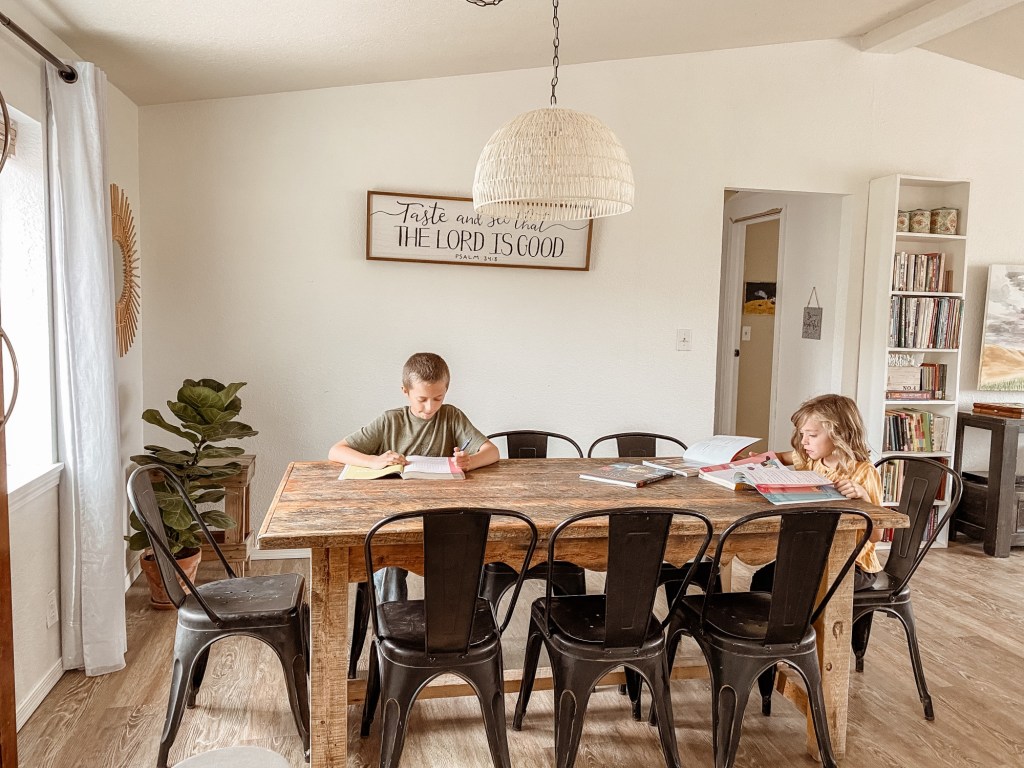
We’re beginning our seventh or eighth (depending on if you count pre-k or not!) year of homeschool this year!
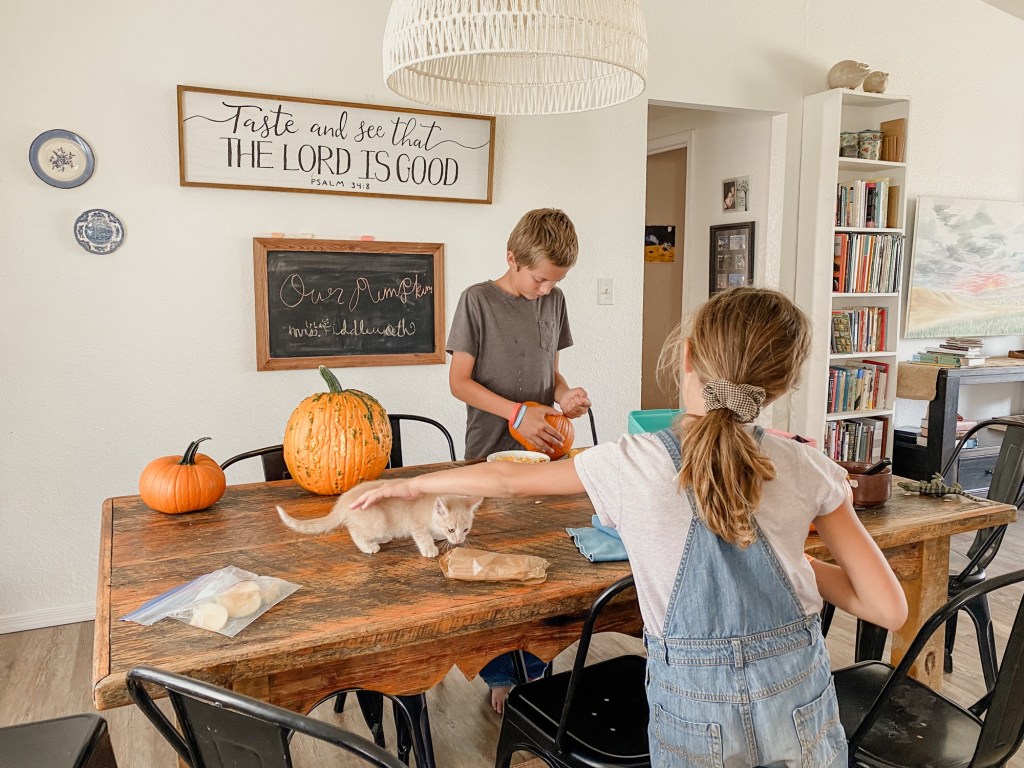
When we first began homeschooling, we started with a full curriculum. After that year, I started getting more into the idea of interest-led learning as my oldest would grow so intrigued by a single topic at a time and, on his own, would want to learn everything there was to know about it.
At the time we would call them “obsessions”. As an example, one of my favorite of his obsessions was sea creatures and ocean life, specifically whales. I don’t know how it started, but he just wanted to know everything there was to know about whales and dolphins. There were different categories in that topic that would be of interest over time— humpback whales bubble-net feeding, orca pods, the story of Winter the dolphin (from Dolphin Tale), scuba-divers. We would study these subjects very naturally and organically by looking up things about them when he would ask questions, getting books at the bookstore or library or used bookstore, watching documentaries, and doing any related activities within our realm of possibility like visiting the aquarium near us and going on a whale watching tour on our family vacation.
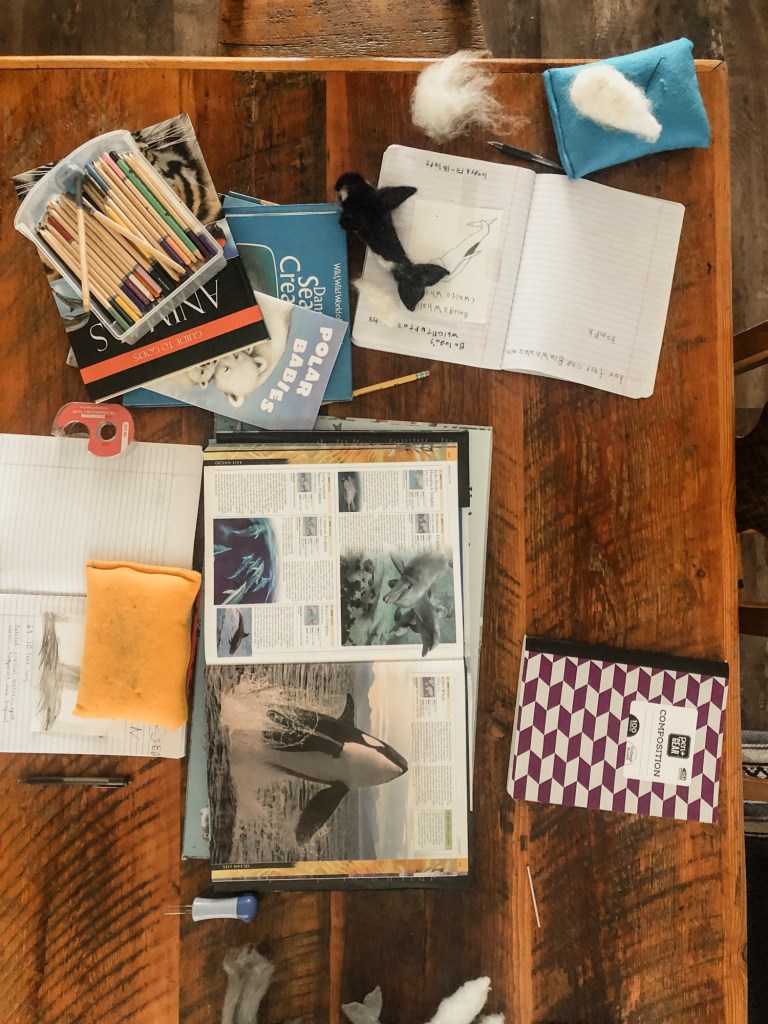
Our kids read a bunch, and they’re able to learn much of what I would “formally” teach them mostly on their own this way if I provide them with good books and topics and discussion.
I don’t have the perfect homeschool method; what works for us may not for someone else. But for anyone else who may be somewhere in between classical education and unschooling, anyone new to homeschooling, or anyone just interested in what others are doing for school this year, I’m sharing a basic outline of what our school looks like this year.
Portfolios:
This is the main way we stay organized and keep track of work on paper the kids accomplish throughout the year. Each of them have a 3 inch three-ring binder where all their loose paper work goes. This includes copy work on loose-leaf paper, essays, drawings, comics, flat crafts, bible verses, paintings, etc. We even punch holes in birthday cards and ticket stubs. It makes a tidy place to save things for each child each school year. (It sure beats my old system of just throwing everything in a bin every once in a while!)
Writing: interest-led
-daily journal- the kids choose their topic or I suggest one or give a prompt or copy work (where they simply copy a paragraph or two from a book). Typically a half page to a page (5-10 sentences).
-daily bible verse- we work on copying sections of scripture at a time and add on one verse each day, focusing on handwriting, spelling, and obviously God’s Word!
-essays- a few a year. In the past we’ve just done simple expository essays, but now that Leo is in middle school (!), this year we’ll be getting into some other types. Topics will be interest-led, but sometimes with a sort of “umbrella topic”, like historical figures, landmarks, jobs, animals, etc.
Reading/language arts/literature: interest-led, literature-based
We use literature to learn language arts/grammar/spelling, as well as simply to expand knowledge and love of learning. As long as the literature provided is of good quality, this is a great way to teach these subjects. I’m working on a booklist by grade level, but there are already good lists out there. Look for lists of “living books”, or check out the Sonlight curriculum booklists or this list from PragerU.
Math: curriculum
–The Good and the Beautiful curriculum by grade level
History: interest-led, literature-based
We love biographies of missionaries (like the Christian Heroes: Then & Now series), presidents, famous scientists, etc. The “Who Was…”/“What Is…” books are great (here’s the What Is America? collection).
We love “living books”, an important idea from Charlotte Mason (very worth looking up if you’re new to homeschooling!). These can be read freely by interest, assigned, or read aloud together. There’s no formula that makes a book a living book but, unlike a textbook, they’re intriguing to read, often in the form of a story. Our Journey Westward has a great article and list compilation here!
Science: interest-led
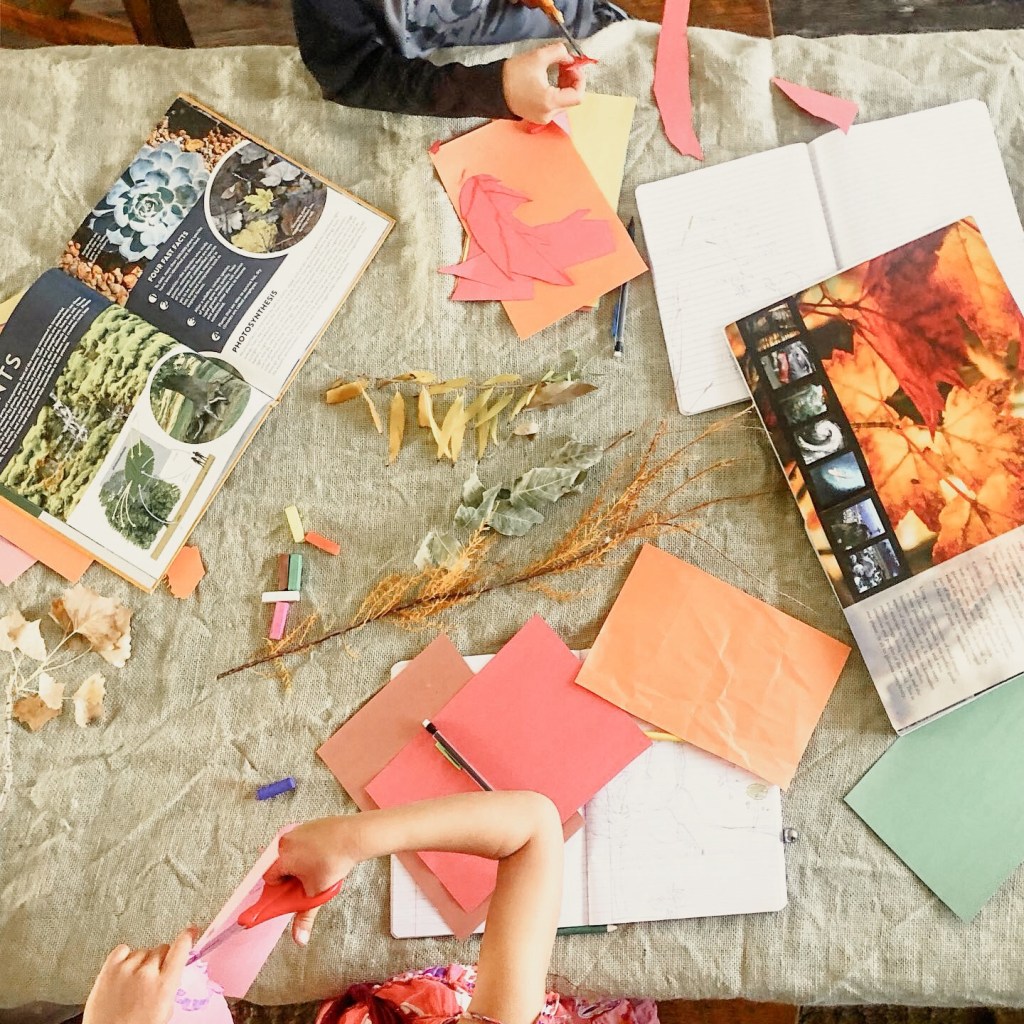
Again, great books make all the difference here, and kids will basically teach themselves if provided with resources. Check out the junior non-fiction section at your local library, watch for interests that involve science and provide books on those topics. Some popular areas of interest in our household over the years have been all types of animals, anatomy/human body, weather/climate, natural disasters, plants, food. There are so many things to study within these broad subjects! Habitats, immune-system, clouds, volcanoes, photosynthesis, regenerative agriculture!
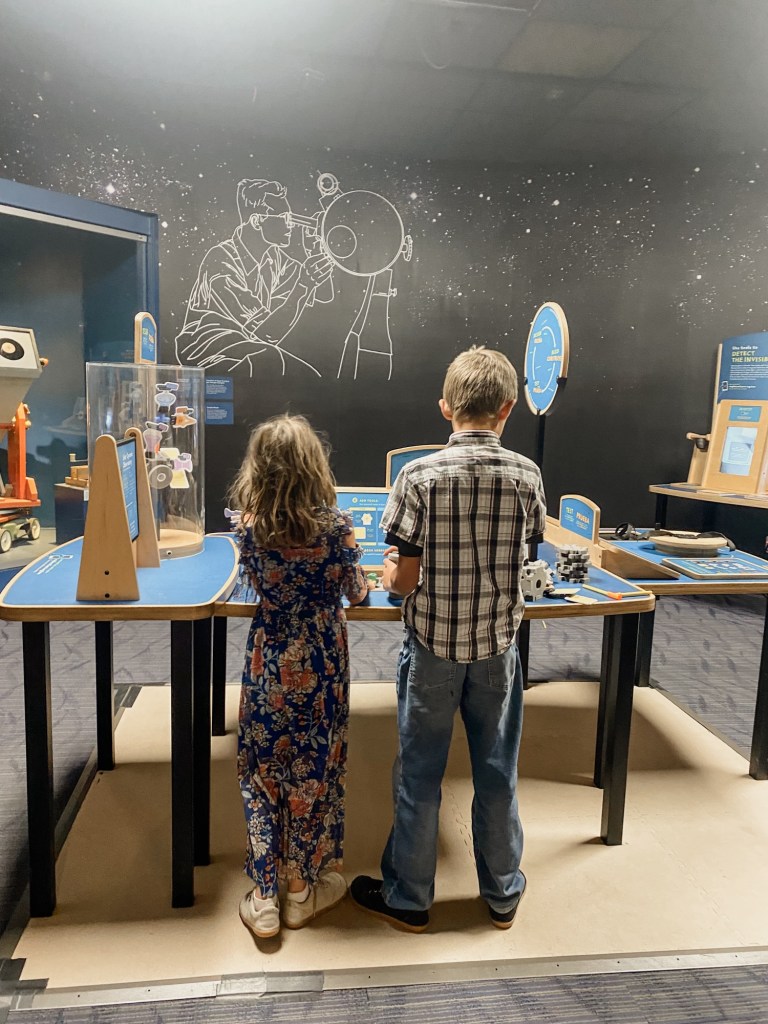
Documentaries, museums, and hands-on-experiences and experiments are excellent and enjoyable supplements to history. I don’t worry about “gaps” in the subject of science, though theres no way to possibly learn everything; we just enjoy as we go along. I’m sure in high school we will want to supplement with at least more in depth resources for physics, but for the younger grades, we’ve found science the easiest subject to learn!
Extras:
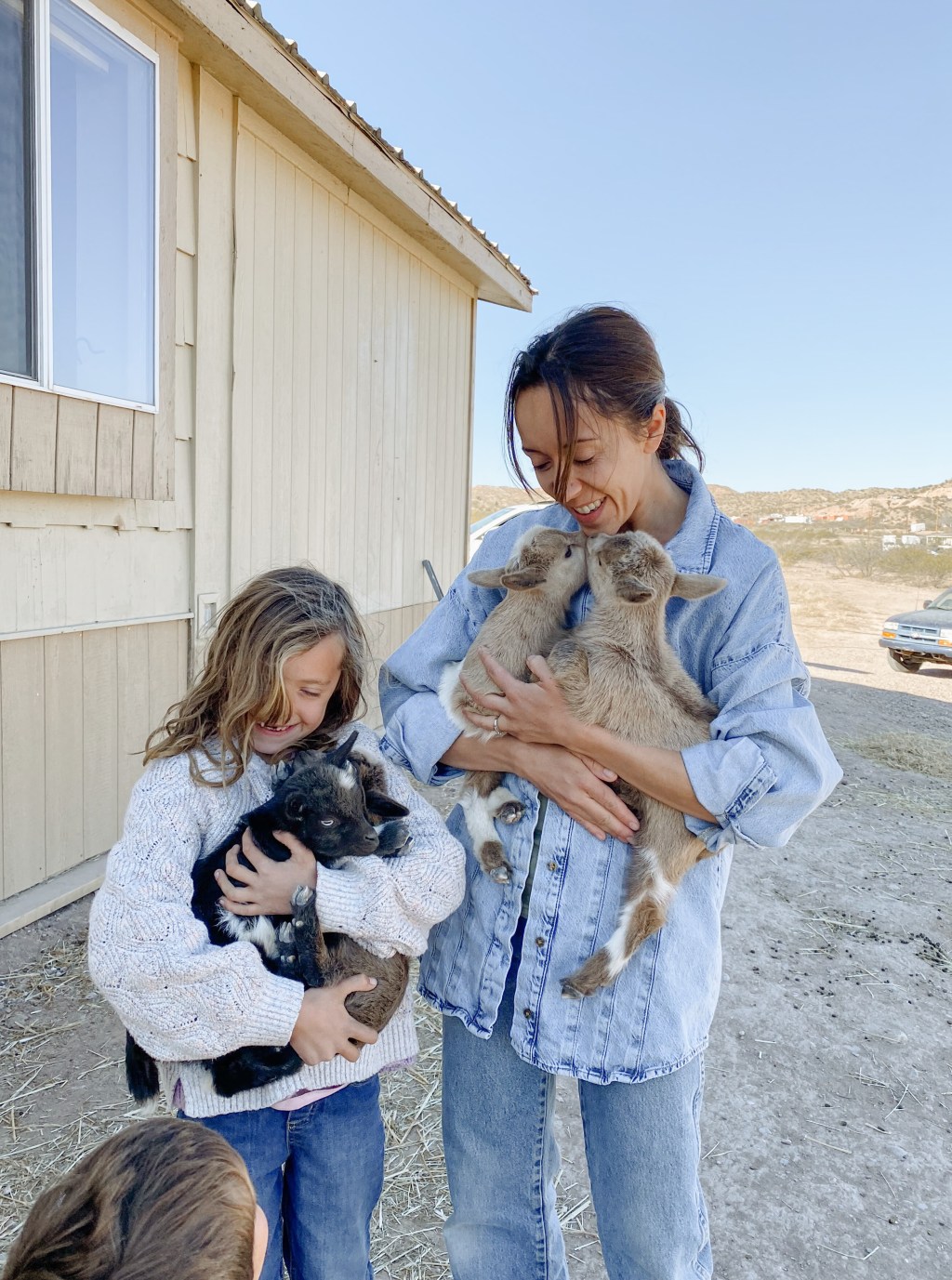
These are things we focus on based on interest- the kids’ as well as mine and Justin’s. They’re also things that come up organically like Justin teaching the kids guitar or us learning how to knit or milk goats together.
Poetry- I’ll make a better list sometime, but right now we’re loving A Child’s Introduction to Poetry.
Art and art history.
Music- guitar, piano, music theory and note reading.
Life skills- sewing, cooking, sourdough and fermentation, butchering, navigation, woodcutting, car maintenance, basic building and plumbing, etc.
Public speaking- reading out loud, occasional church events, and this year we are planning to start doing prepared presentations/speeches with a group of homeschool friends a few times a year.
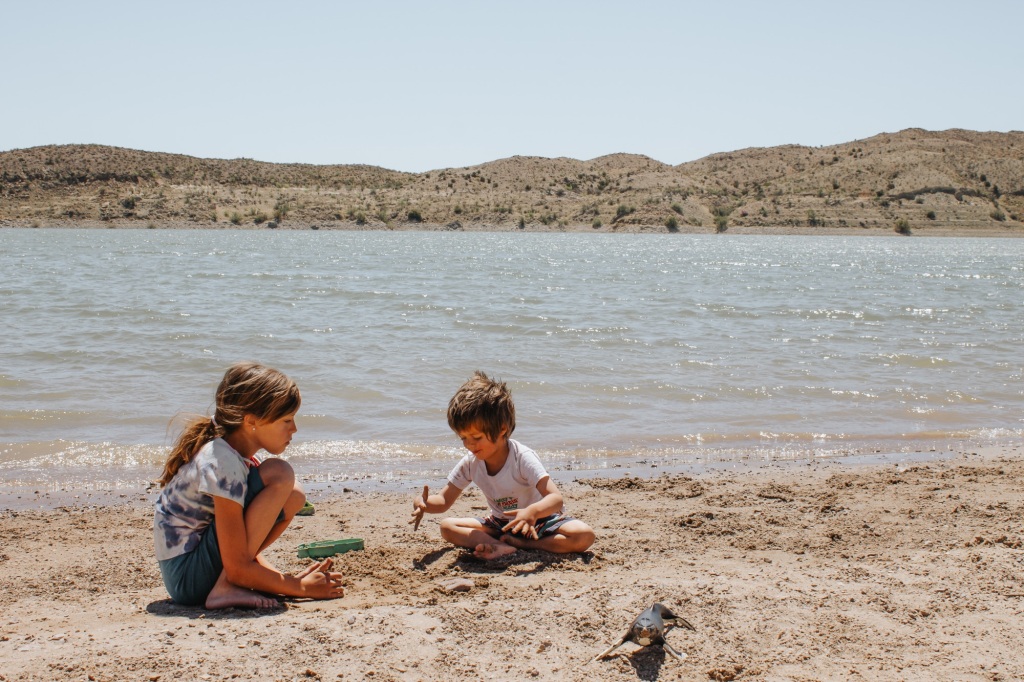
Field trips- aquariums, zoos, and lake/river State Parks near us, hopefully a trip to the ocean, Farm and Ranch museum, Natural History Museum, hiking/nature walks, Pumpkin Patch.
What does your basic school year look like? Let me know in the comments!
