



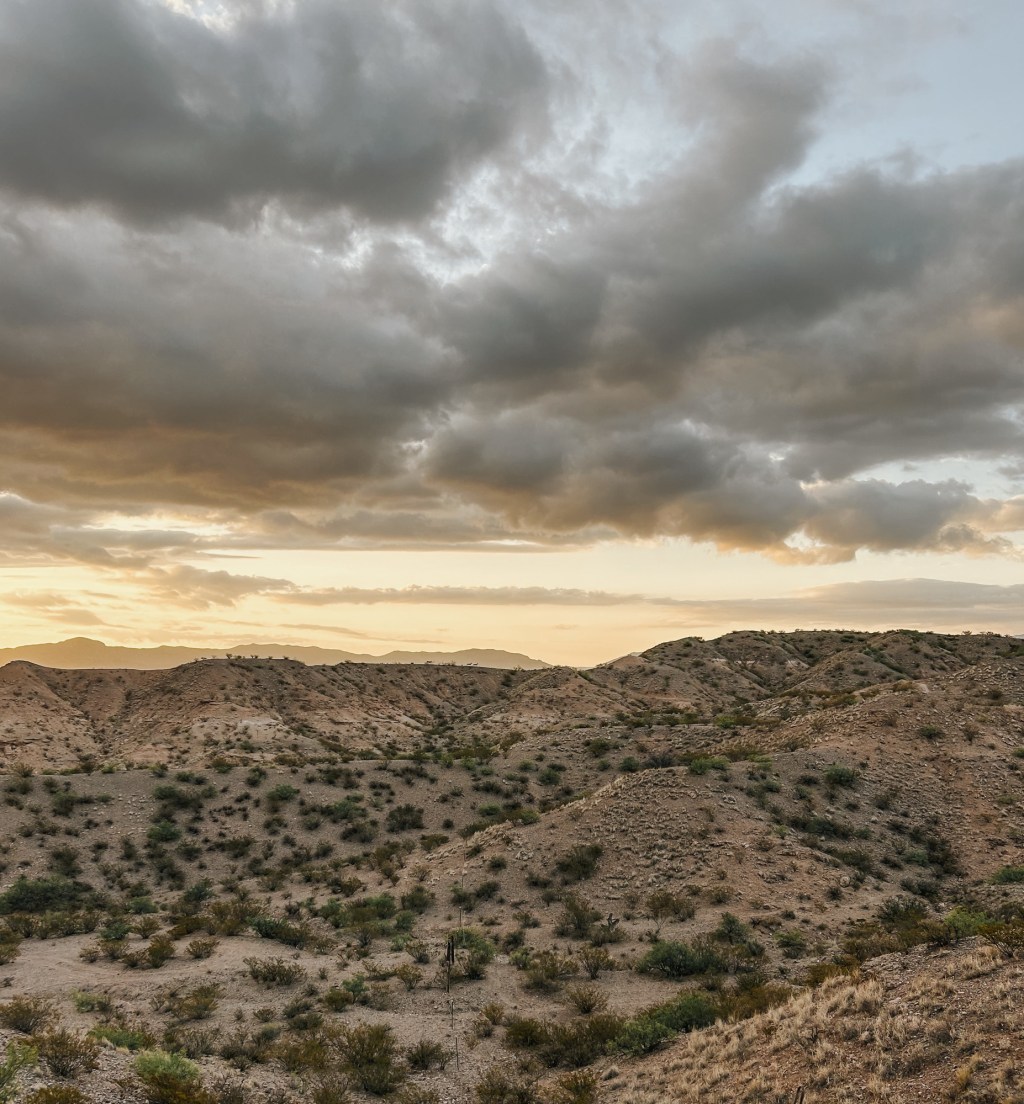

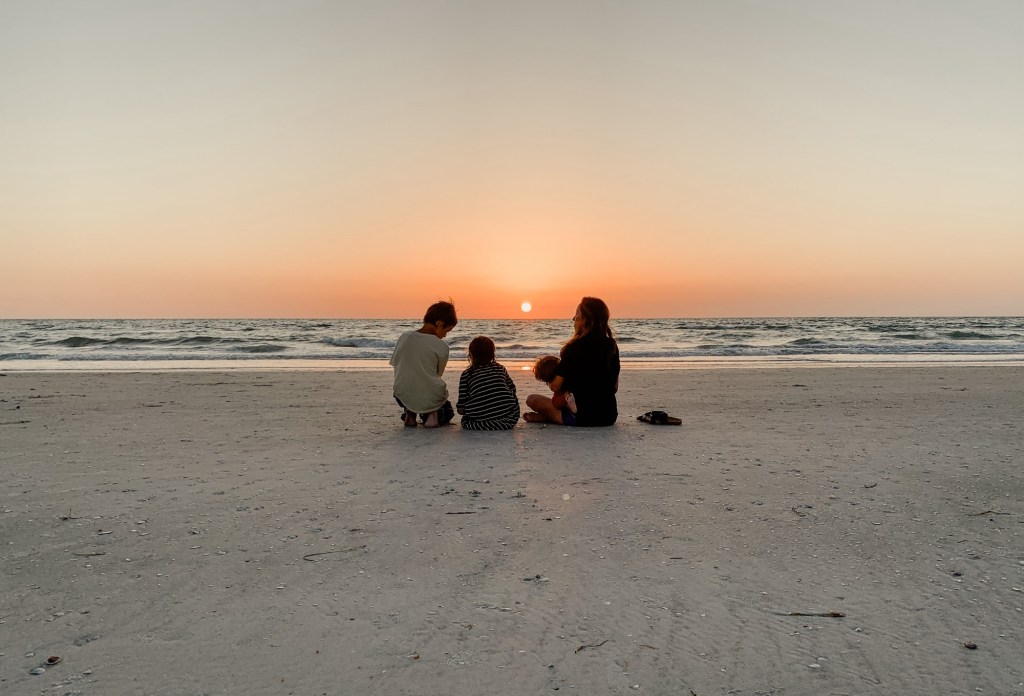

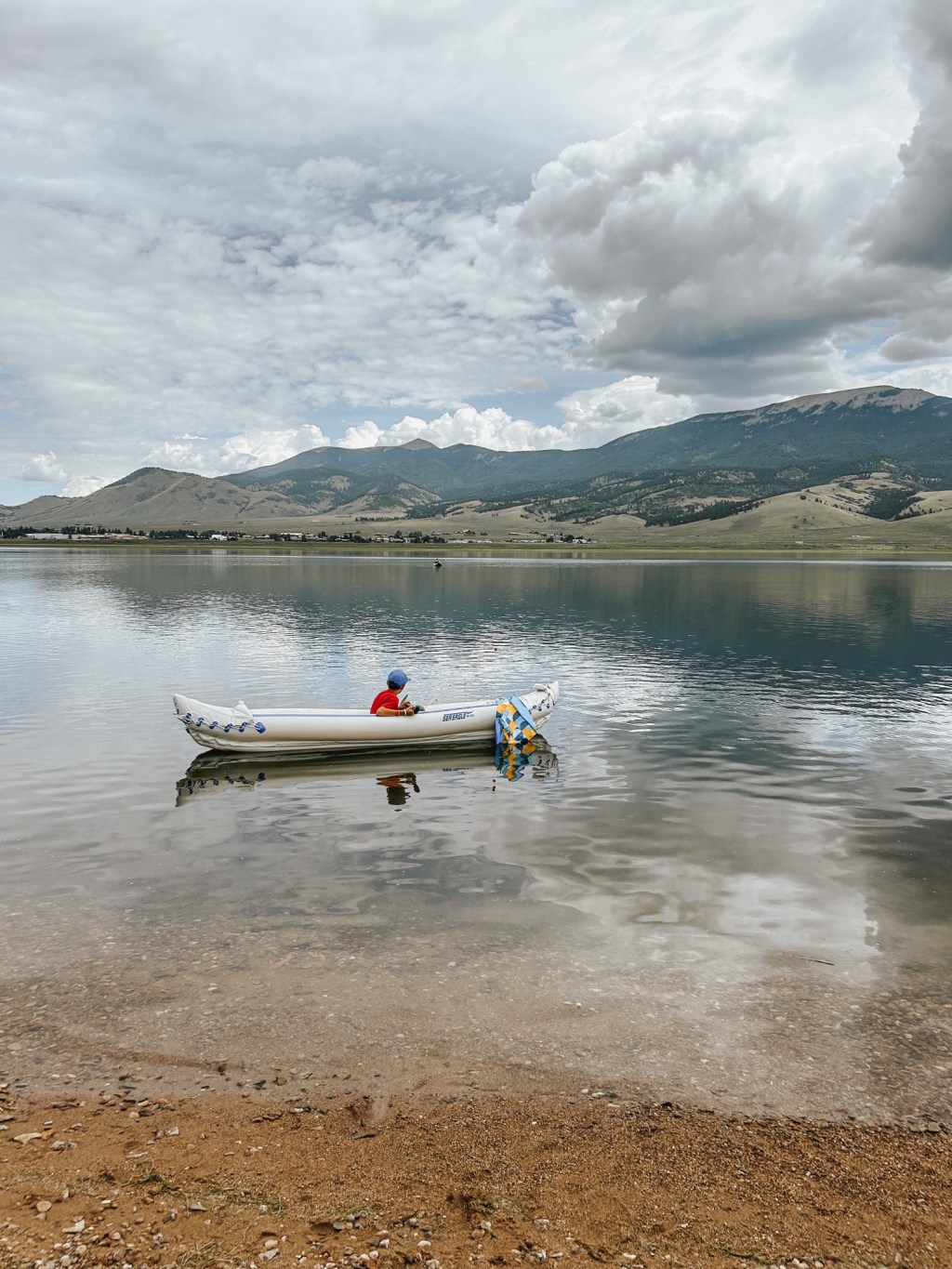
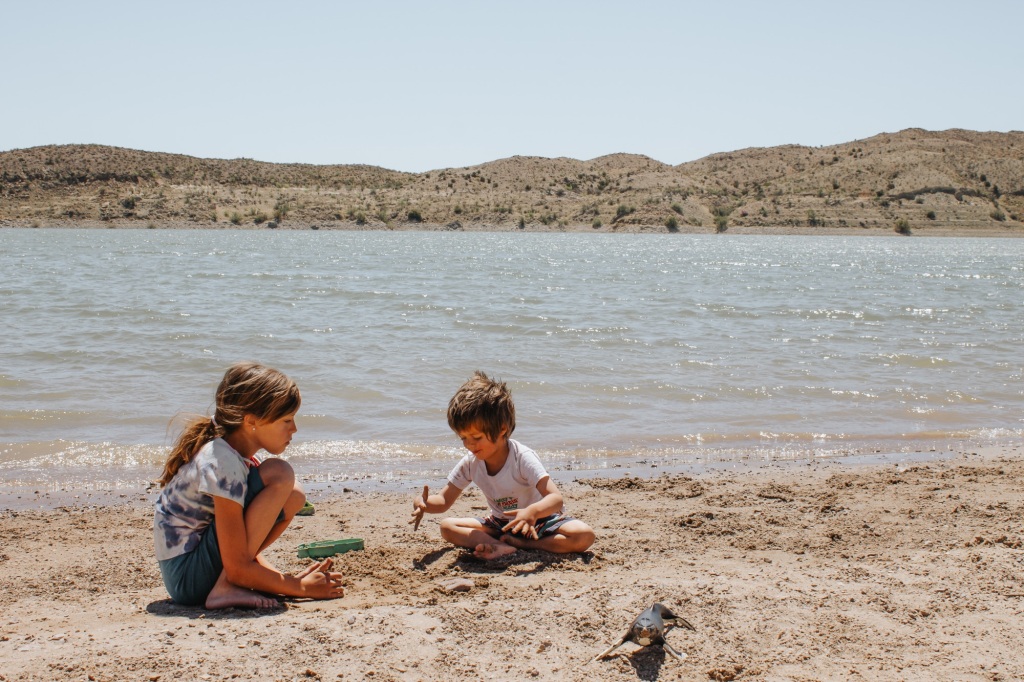
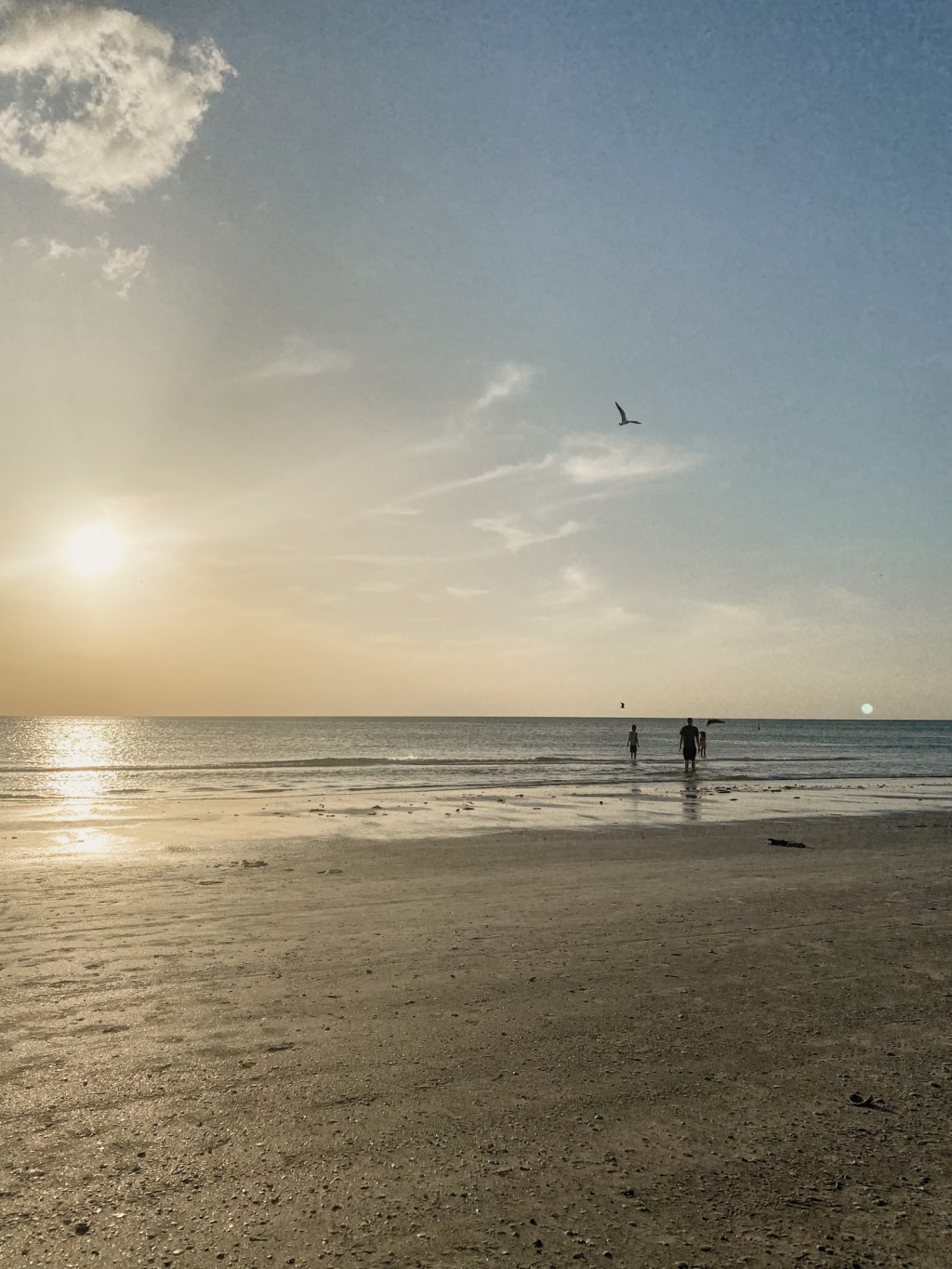
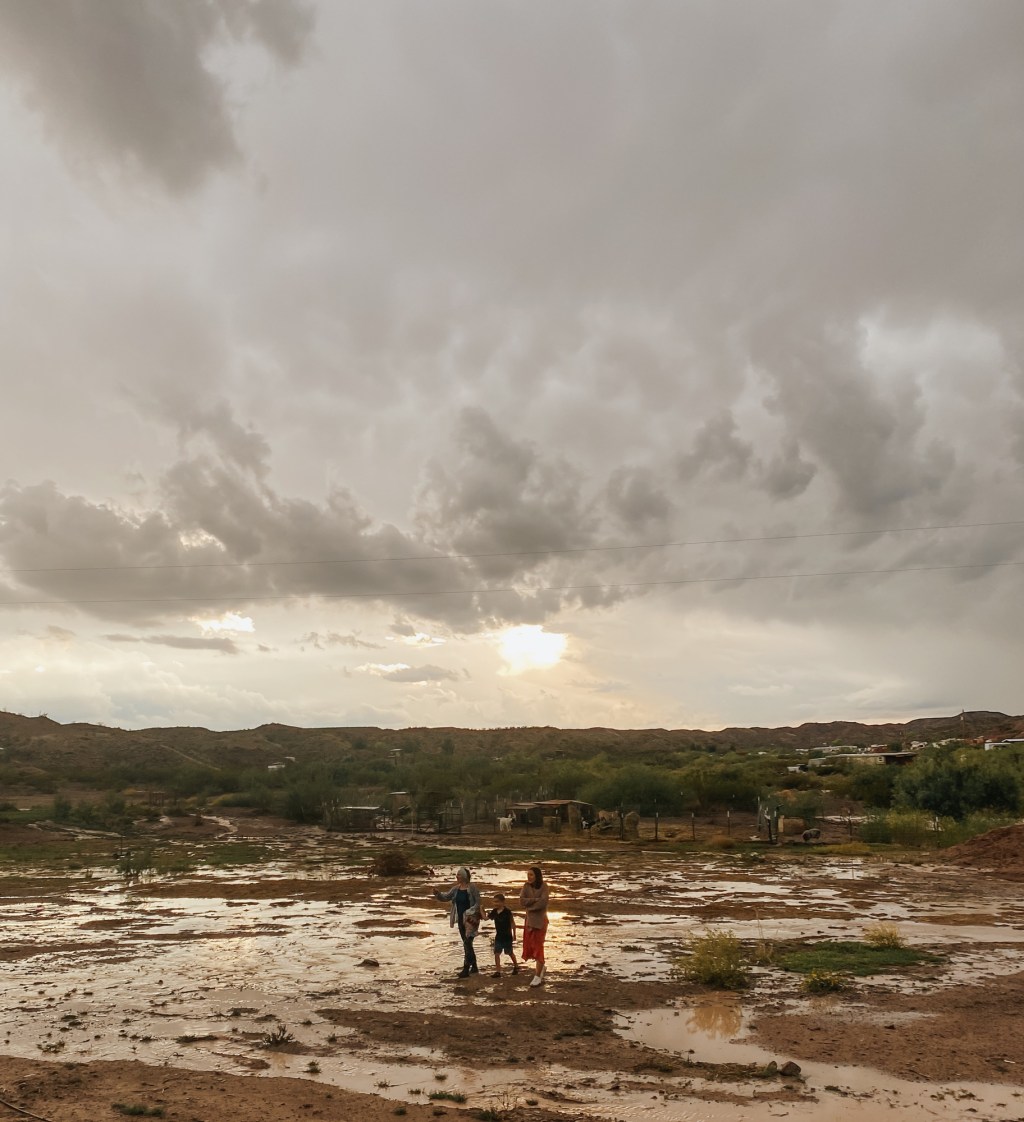
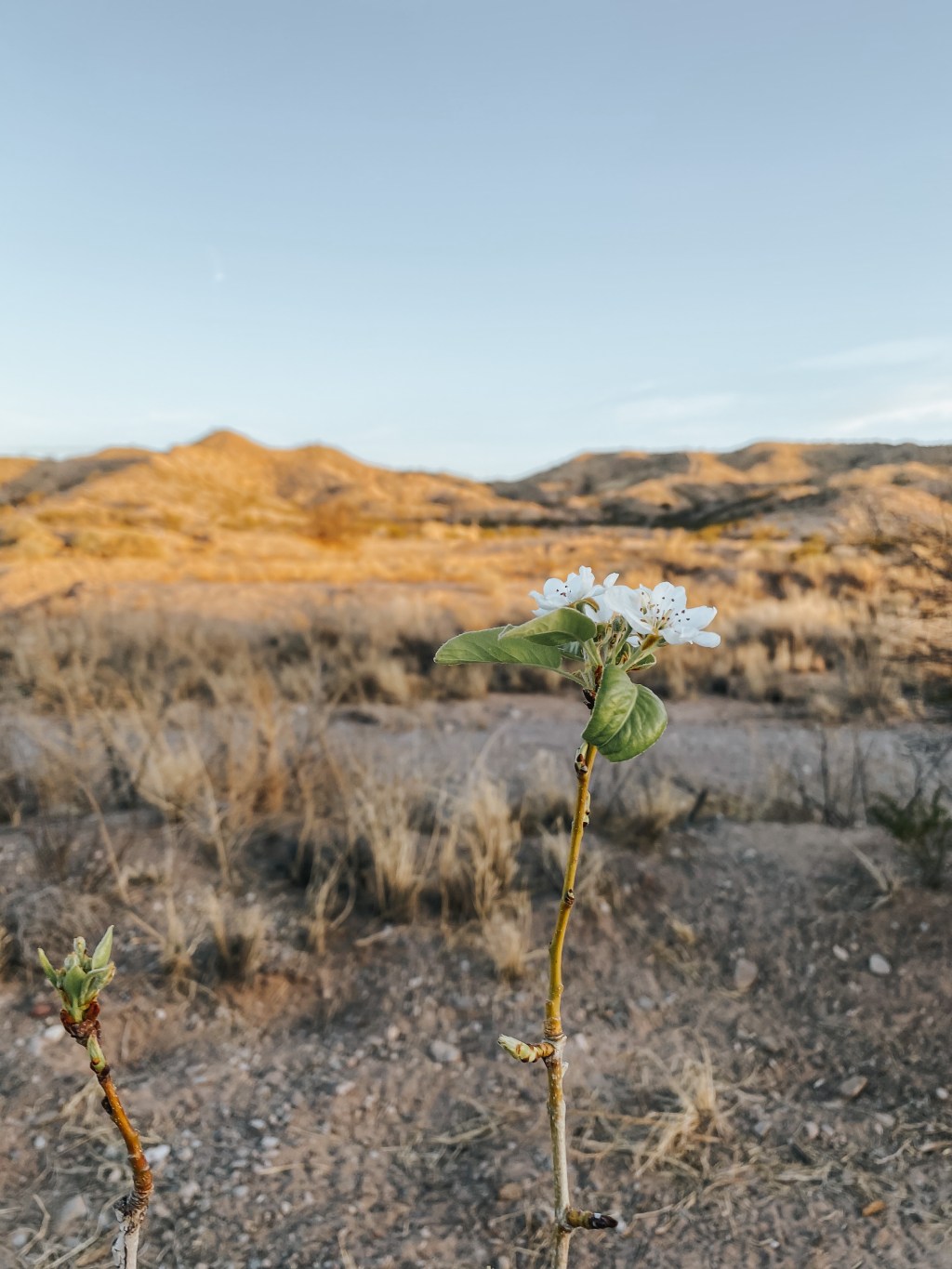
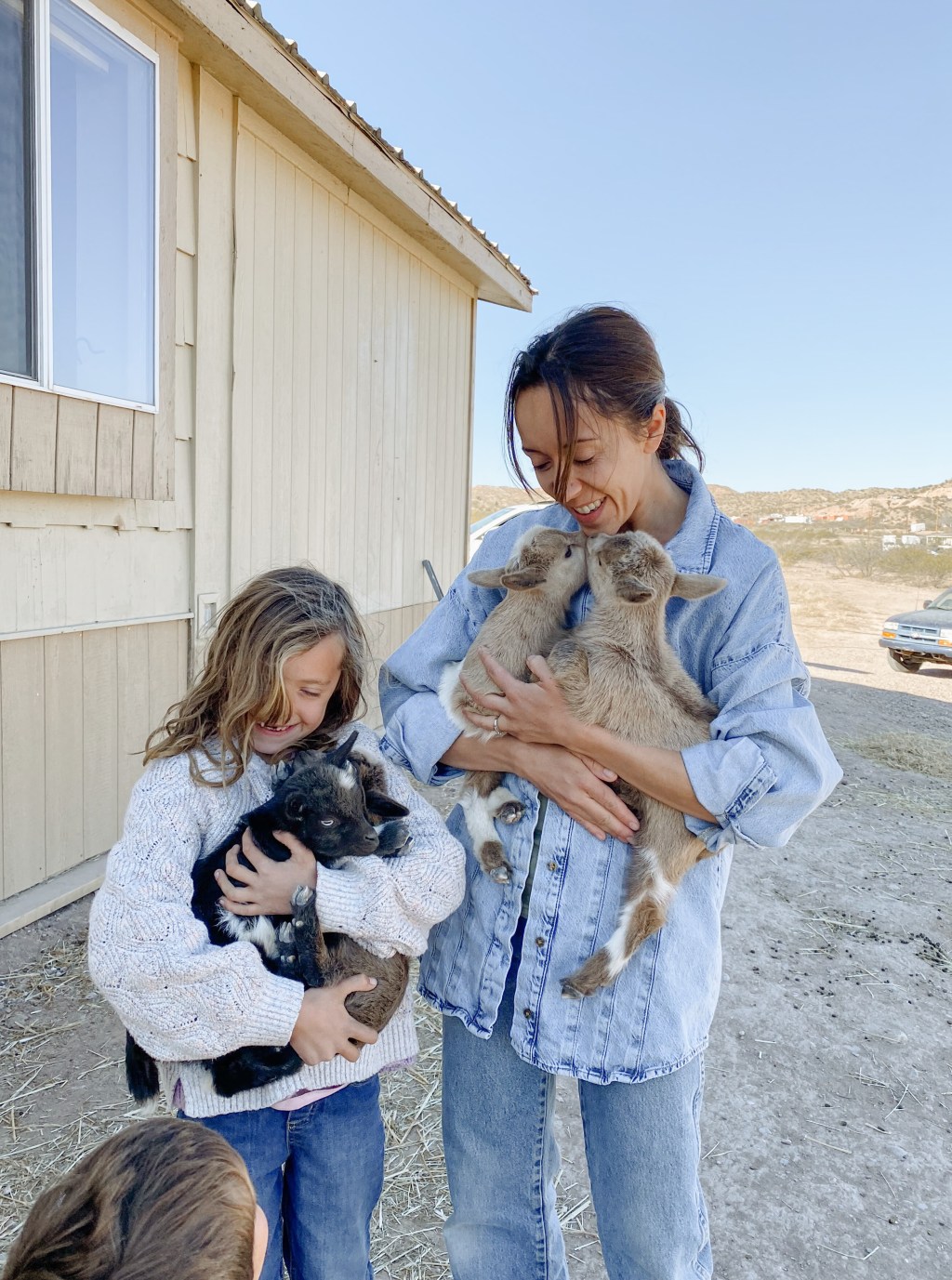
Recently we had a lake-school day— that is, we went to the lake instead of our typical day at home during “school hours”.
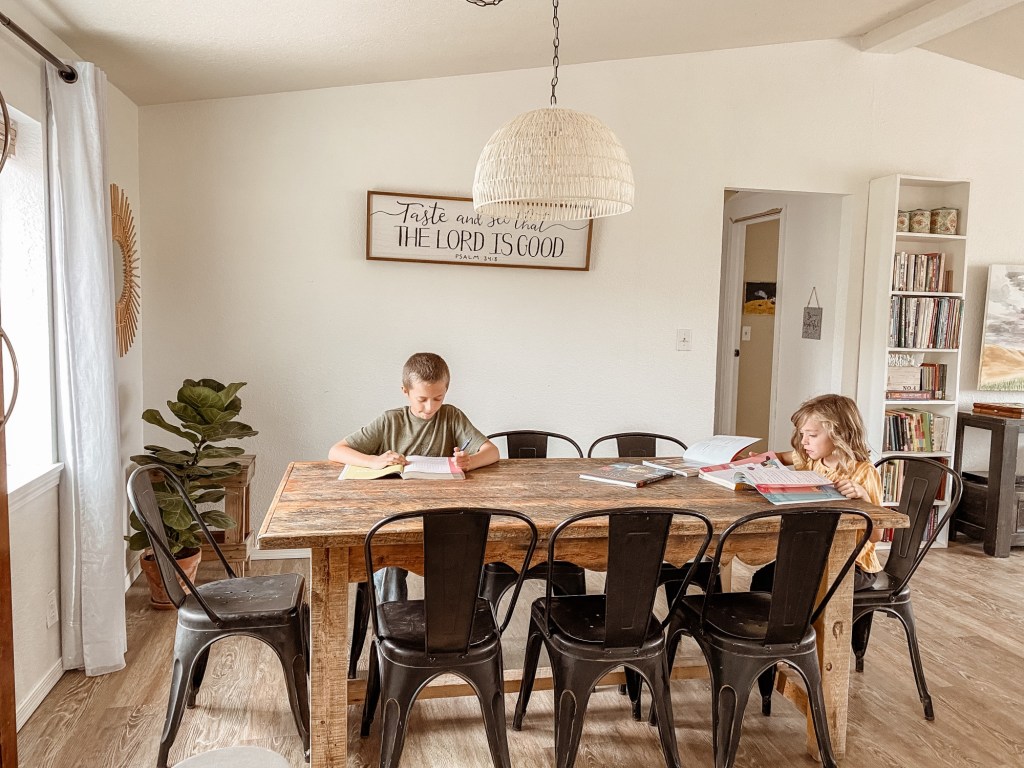
I feel both timidly defensive and passionately activistic of the approach we take to homeschooling- an untidy mix of classical, Charlotte Mason, unschooling, and child-led learning methods. There’s loose structure and mismatched curriculums, and many subjects come about very… organically. It doesn’t always look like school. And I sometimes feel judged for not “doing school right”.

When I say many subjects come organically, I mean they are not planned or documented or categorized or scheduled. So much learning happens when there is freedom to not be ordered. But how do I prove that? Is it provable? (And why do I feel the need to prove it?)
Kids love to learn. Babies are born tiny-learning-machines. They learn an entire language- any language you give them!- by the time they’re three or four years old! Have you ever watched a toddler watch an insect or a big sibling or a tractor or a rolling ball? They are the best observers and scientists. Have you noticed how children become totally “obsessed” with a single subject- an animal, a movie or character, or a type of vehicle? They want to learn and know everything there is to know about that thing. They are tireless learners- that is, until “school” forces that love of learning right out of them.
I think I would actually be (and have been before) hindering my children’s education to impose a strict schedule and structure. However, we are very intentional— I wouldn’t be nearly as confident in this less-structured education model if they were watching TV during the day or indoors all the time or reading empty, silly fiction instead of rich “living textbooks” and engaging non-fiction about subjects that interest them.
The thing is, we all- children, adults, students, teachers, moms, doctors- retain what’s important and interesting to us (sometimes not even that with our ever-decreasing attention spans) and forget the rest. I was a straight-A, 4.0 GPA student, but despite that, I now have to relearn basics such as long division and U.S. history (as I teach these to my children) because these subjects weren’t important to my brain to hold onto all these years.
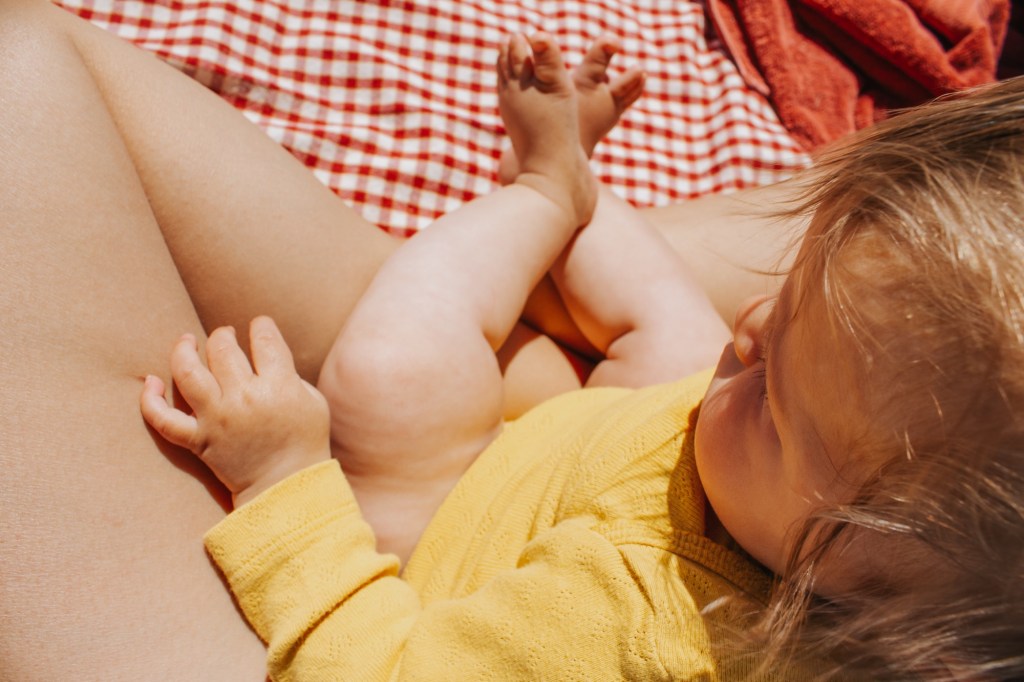
I remember languages, grammar rules, great works of literature and the symbolism within them, and art history because these were genuinely interesting to me when I learned them.
When kids are exposed to a variety of subjects and topics and allowed/encouraged to delve deeper into what actually intrigues them, they thrive educationally. This is real learning- much different than rote memorization of facts to be quickly forgotten after hopefully passing a test.
It does absolutely take intentionality to homeschool- I’m not encouraging laziness or teaching-neglect. Good homeschooling takes involvement, demonstrating learning and curiosity, providing resources, engaging with other people, guidance, probably resisting constant use of screens, and probably some workbooks and online courses here and there. But it doesn’t have to look a certain way to be working. It doesn’t have to be workbooks at desks for 7 hours a day or “main subjects” covered in some certain order every day.
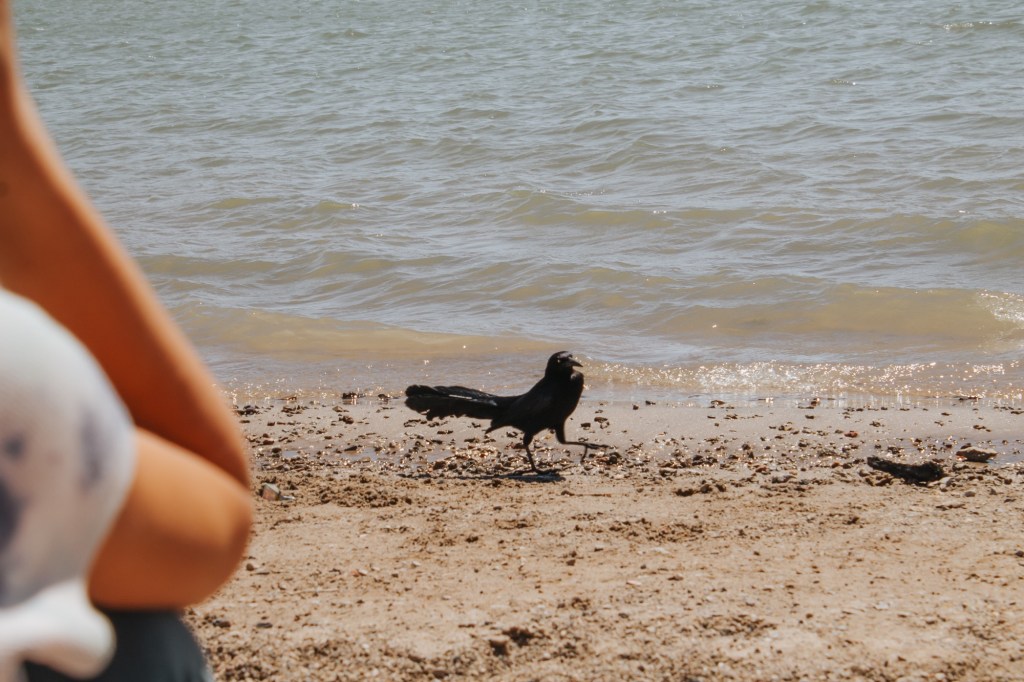
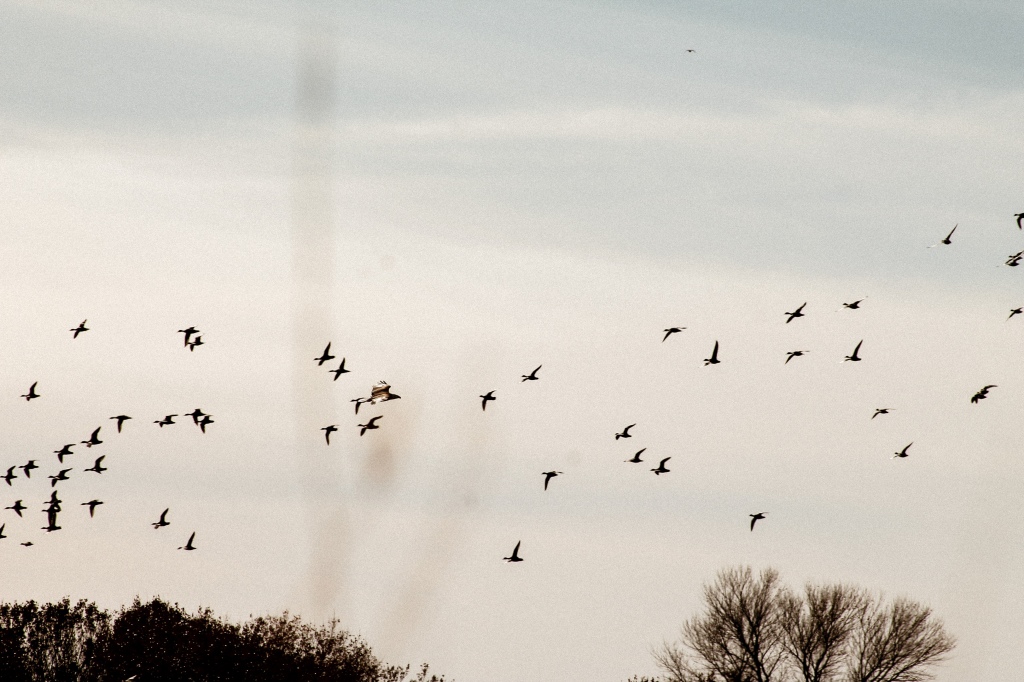
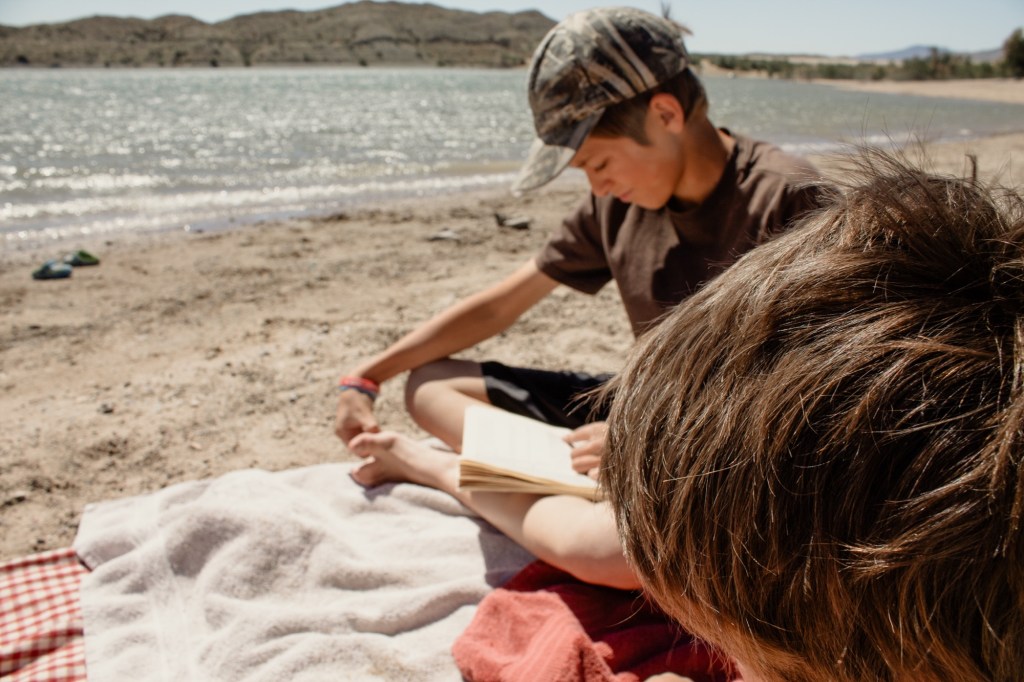
So, yes, sometimes we go to the lake on a Tuesday and we read, dig, identify birds, play with sticks and rocks, and dip our feet in the freezing water. And I don’t grade anything or classify/document the learning that is taking place. And it’s normal and okay and beneficial.
Learning is more than school.
